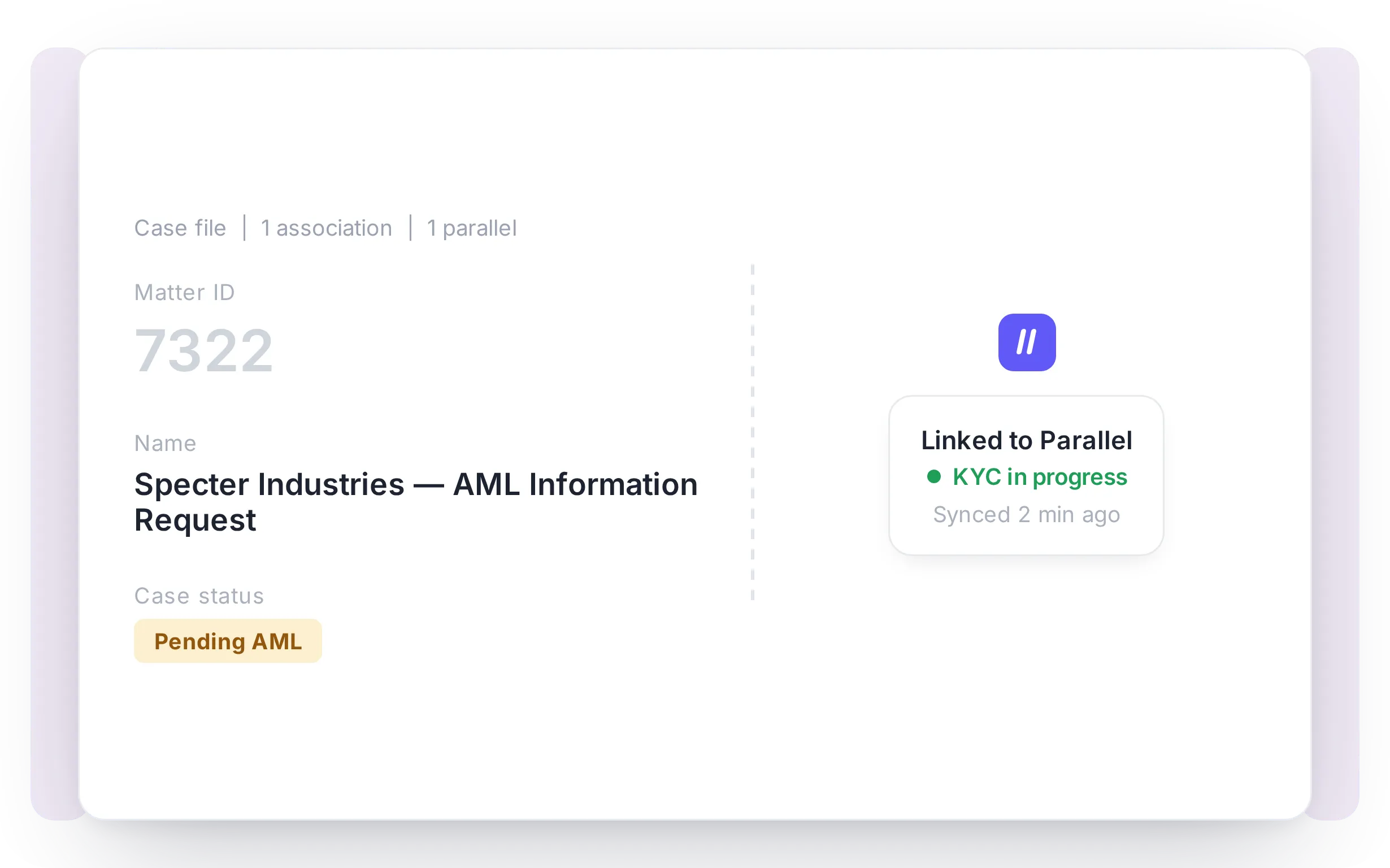
Integrates with the platforms you already use
Parallel connects to your matter management and document management systems. Information flows between systems, but master data is never modified without human validation.

KYC software for law firms
Free up your compliance team for what they can't delegate
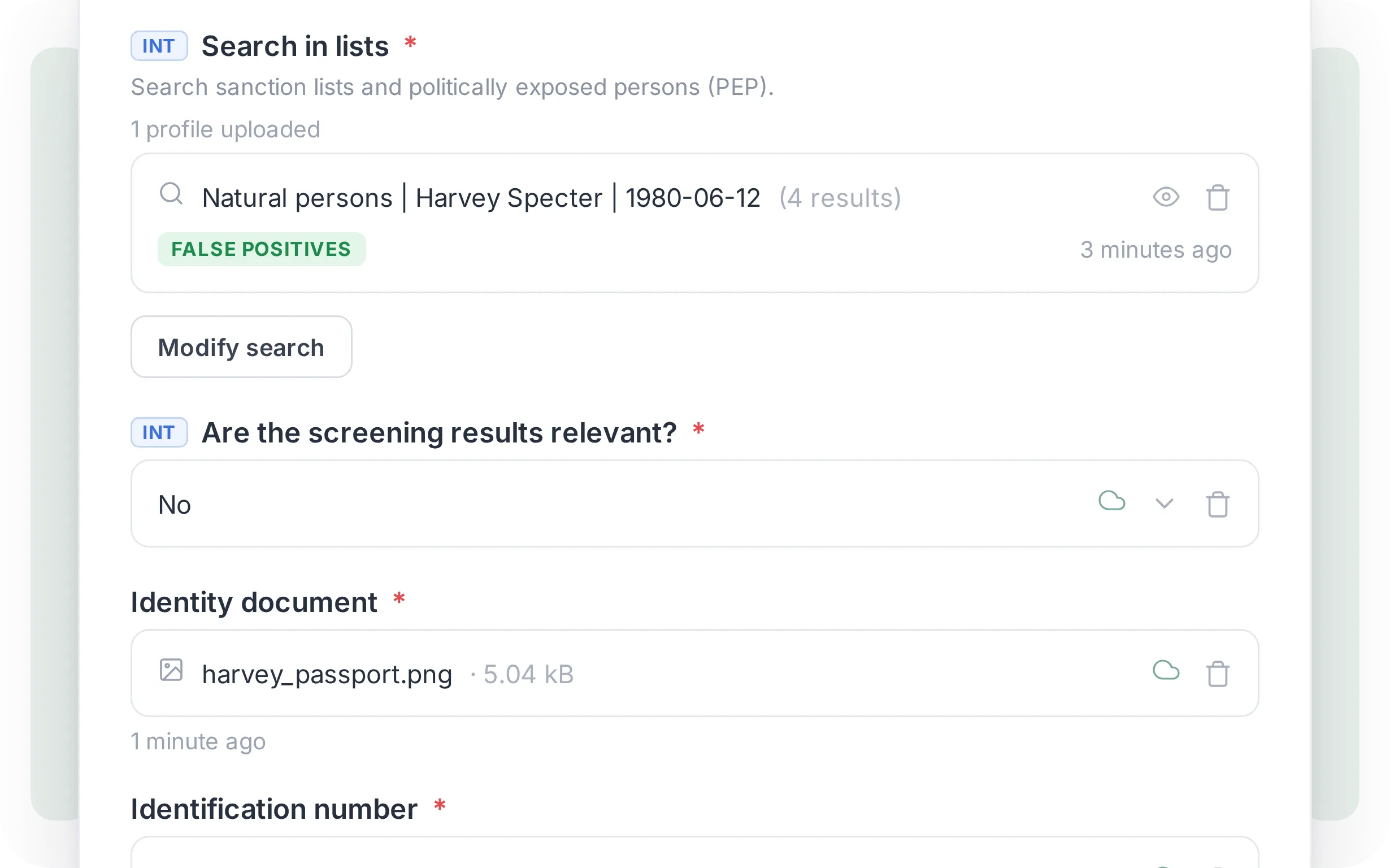
Parallel digitizes your firm's AML process from client onboarding. It keeps it up to date as the client opens new matters, with the full audit trail ready for an inspection.
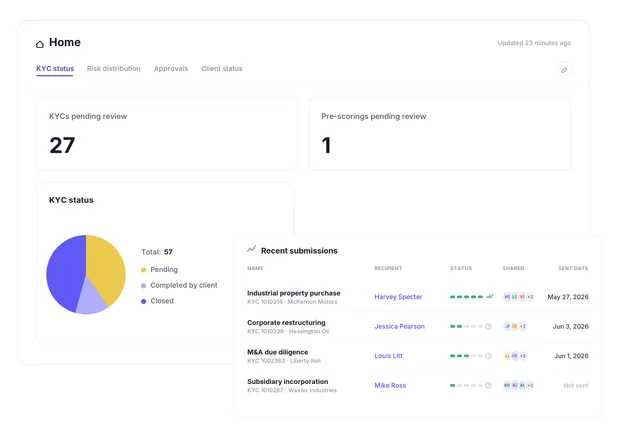
The biggest AML pain points at law firms

The same information gets requested multiple times, across different channels, at different moments.
The client ends up answering the same questions over and over, and the relationship with the firm wears thin, even when the legal work itself is first-rate.

To avoid bothering the client, reviews are spaced out and information is only updated at specific points.
Between reviews, anything that changes on the client side stays out of the file, and the firm loses sight of where the client actually stands.

The information exists, but scattered: the ID copy in an email, the UBO certificate in a folder, the screening in a PDF from three months ago, the scoring in a team spreadsheet.
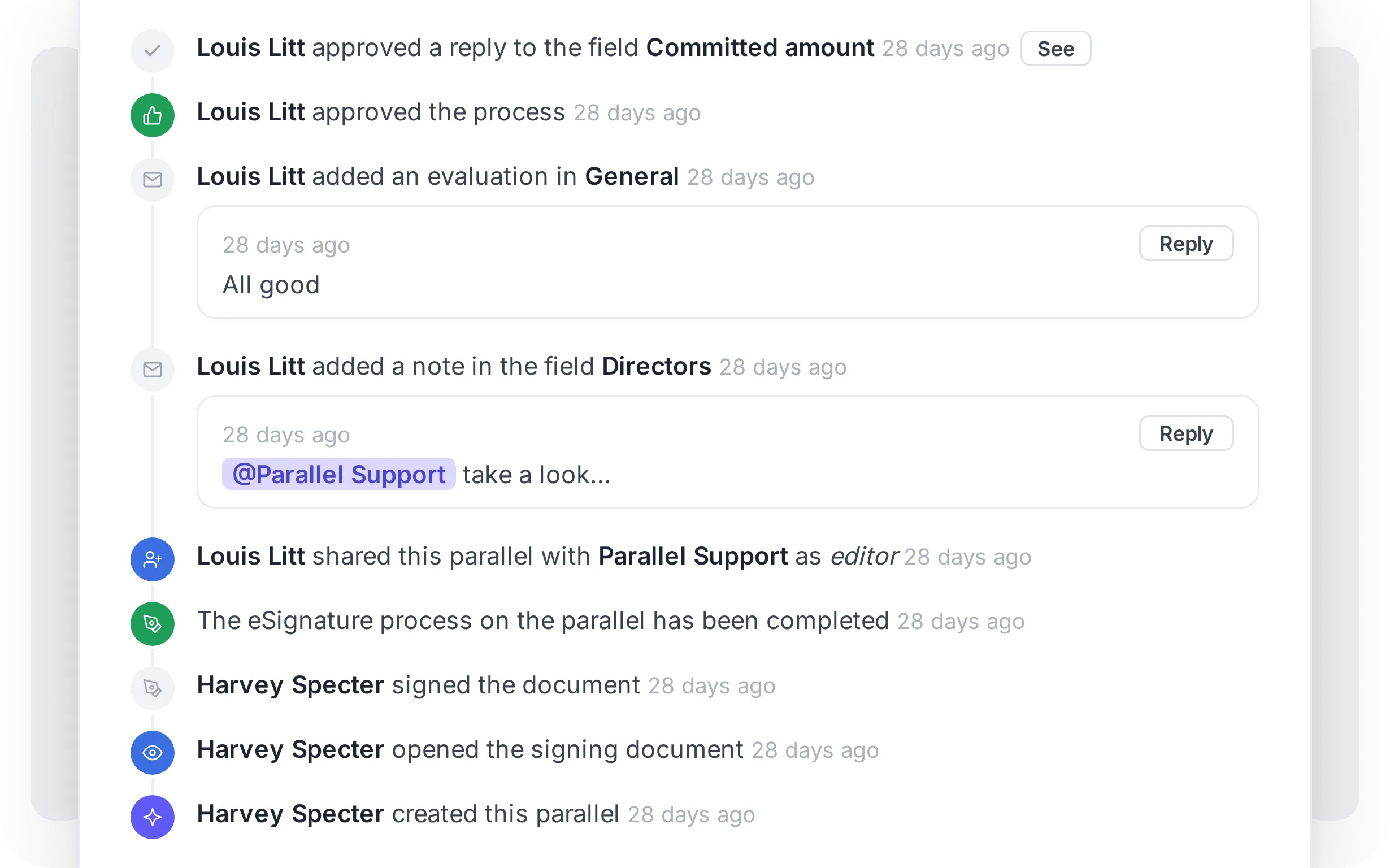
What's missing is connected evidence, who reviewed what, when, under what criteria, under which version of the manual.
Our solution
Parallel connects the full AML cycle, matter opening, identification, scoring, screening, refresh, signature, and audit, with the systems your firm already uses.
No tool-switching. No side-channel emails.

Regulatory framework
Use case
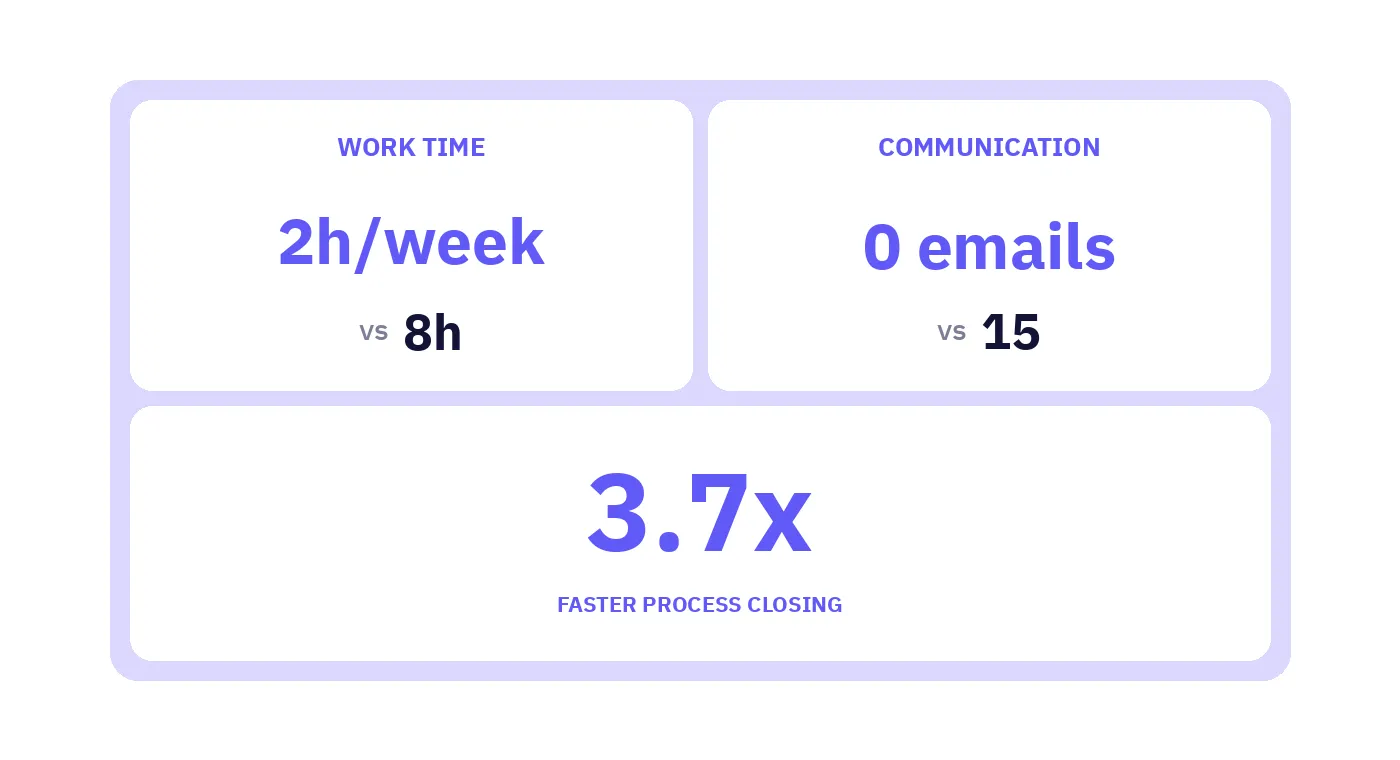
Makes it easier to control and track AML compliance, and avoid fines for non-compliance.
Testimonials




Security
Our priority is making the experience as smooth and secure as possible, for you and for your clients.
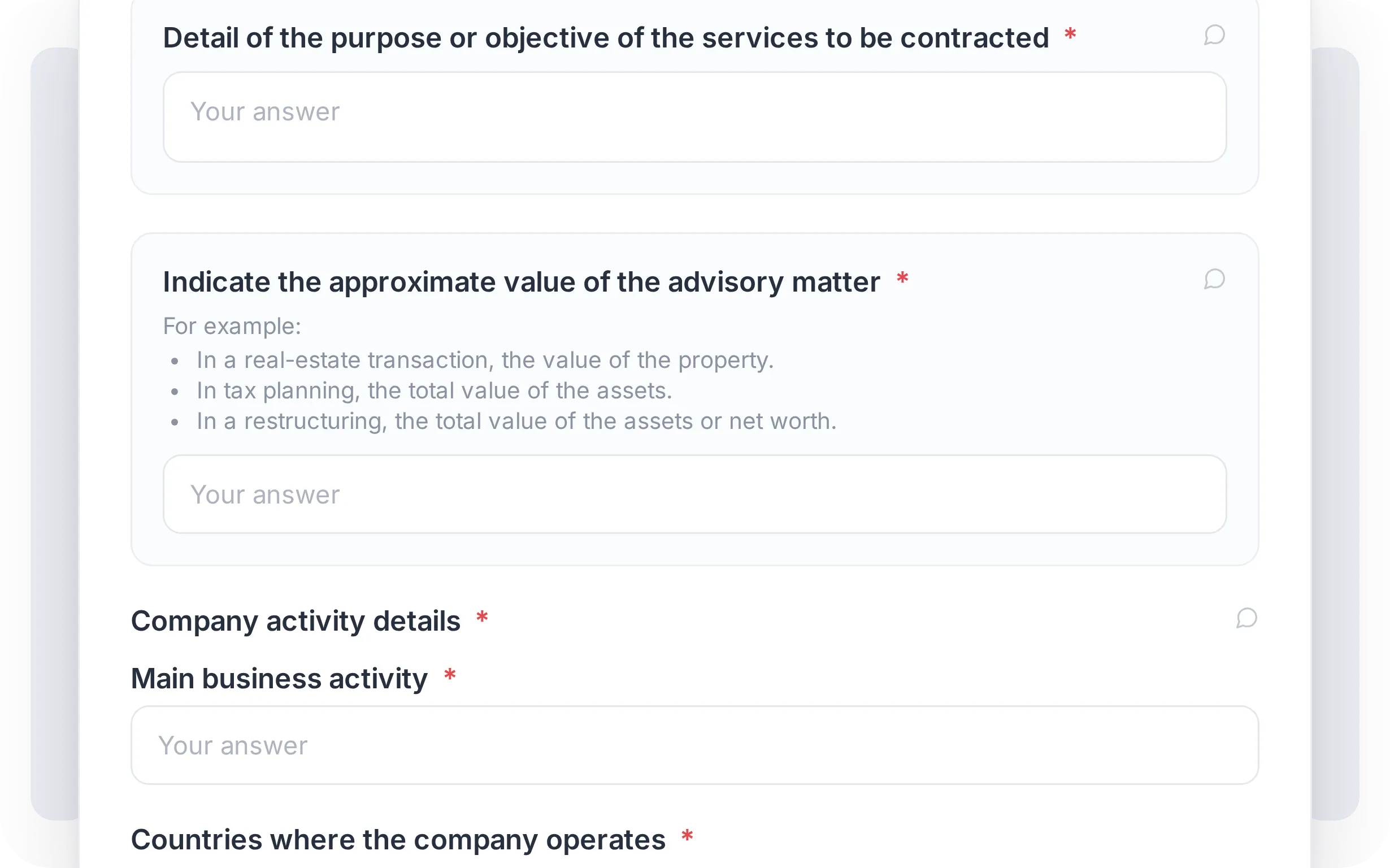
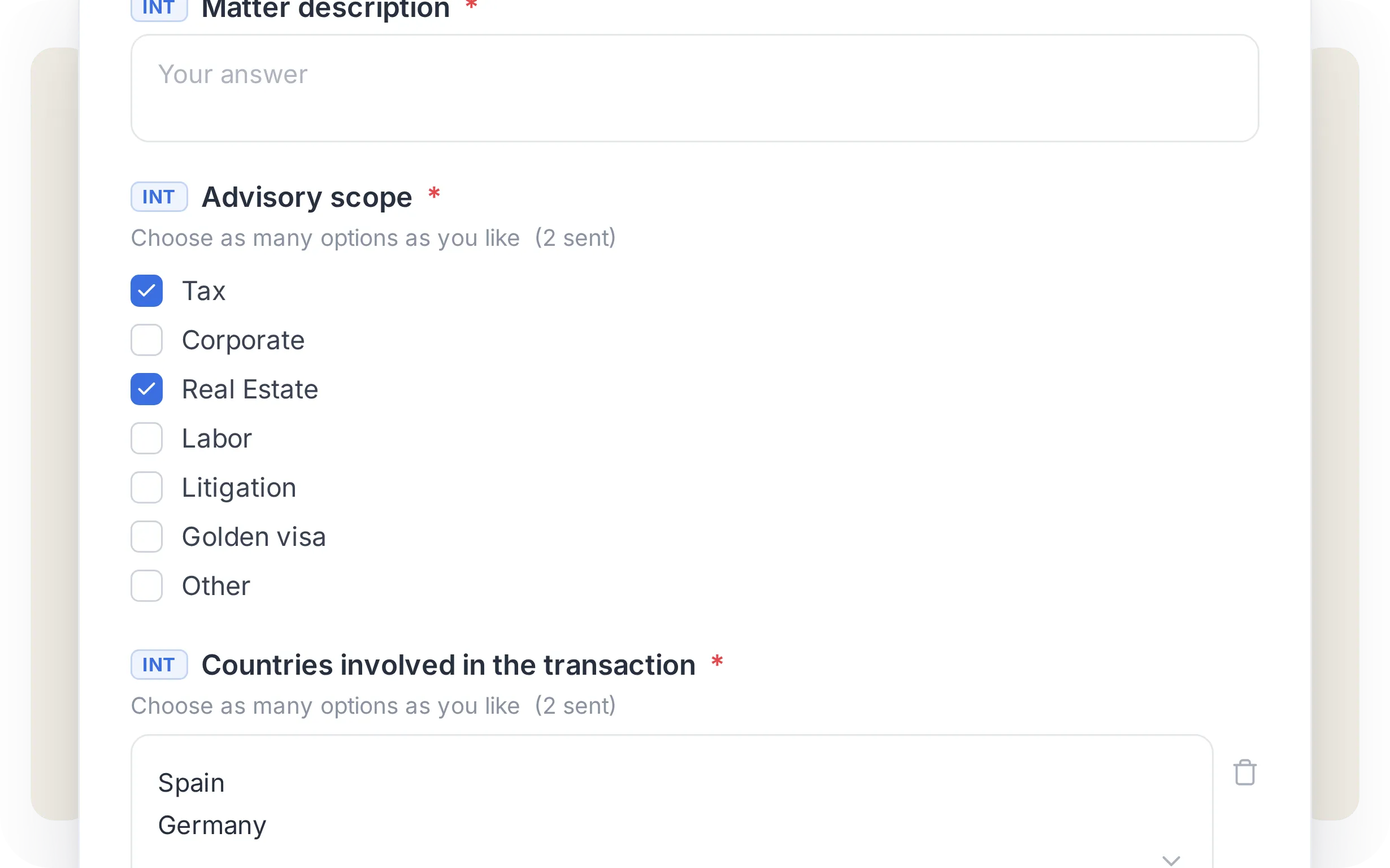
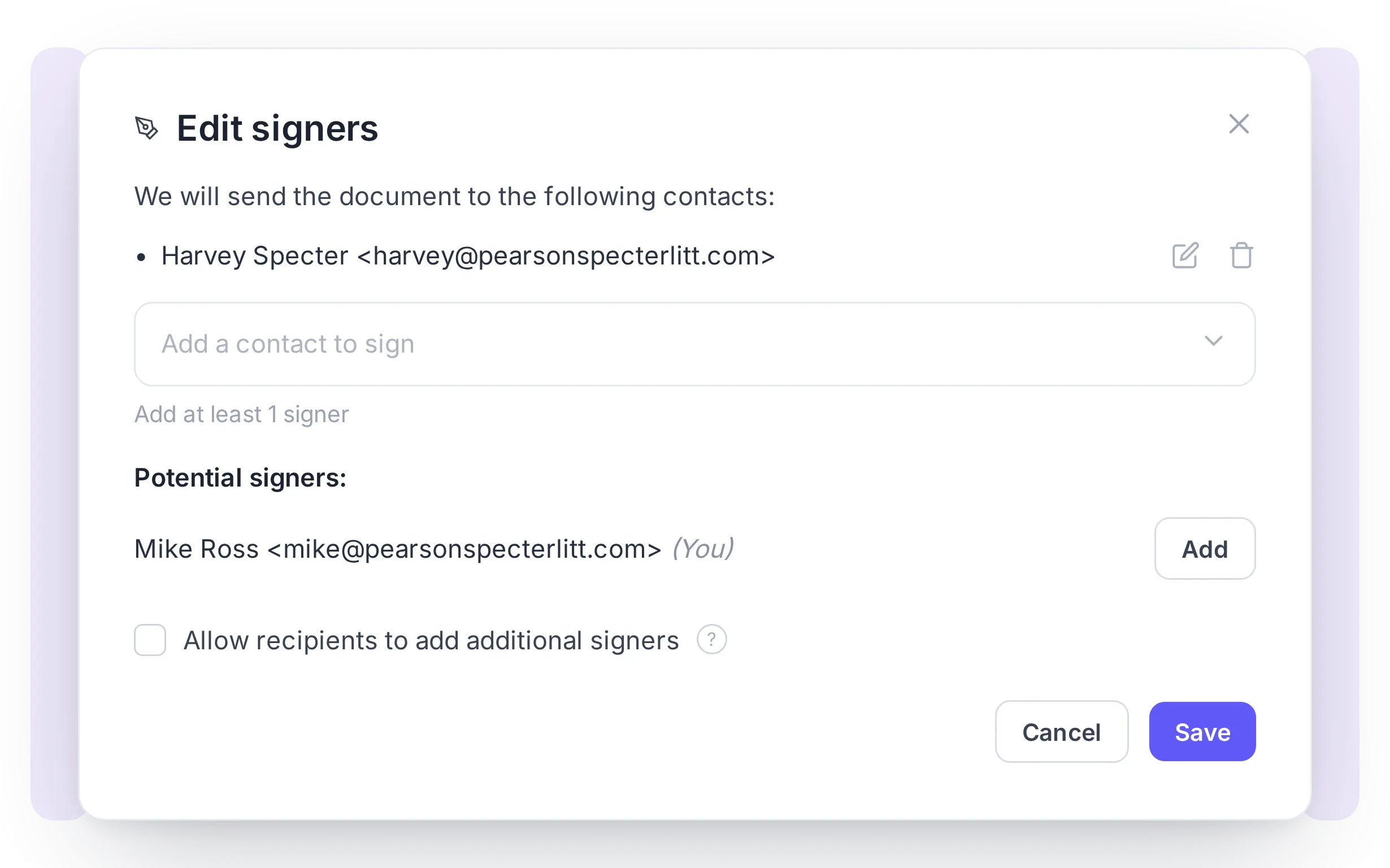
 Personalized, automated requests for client dataSmart document generationAdvanced electronic signature for documents
If you don't see your question here, write to us and we'll get back to you in less than 24 hours
Parallel connects via API and webhooks to the systems you already use, Elite, SAP, Dynamics, and similar. When you open a new matter or client in your system, Parallel picks it up and kicks off the KYC cycle automatically.
The file information flows back, but master data is never modified without compliance team validation. Parallel powers the workflow, it doesn't replace it.
Yes. Signed and validated documents are archived automatically in your firm's folders within iManage or NetDocuments, respecting your current structure.
The full file stays accessible from both the document management system and Parallel, with no duplication.
No. The compliance team, the technical unit, and the OCI work inside Parallel. Lawyers and assistants keep using their usual tools. When an action is needed, they get a notification through the firm's internal channels.
It's configurable at three levels: client, matter, and the set of active matters. Your firm defines the factors, thresholds, and update frequency based on your AML manual.
Parallel runs the calculation automatically whenever a relevant event happens, new client, new engagement, ownership changes, or document expiration.
Yes. Forms can be adapted to different jurisdictions, with custom fields, languages, and activity codes.
And if a client already exists in the system, they don't start from scratch, their information is reused across forms and categories.
Between four and eight weeks, depending on the complexity of the integrations.
It includes configuring the scoring engine to your AML manual, designing approval flows, and team training.